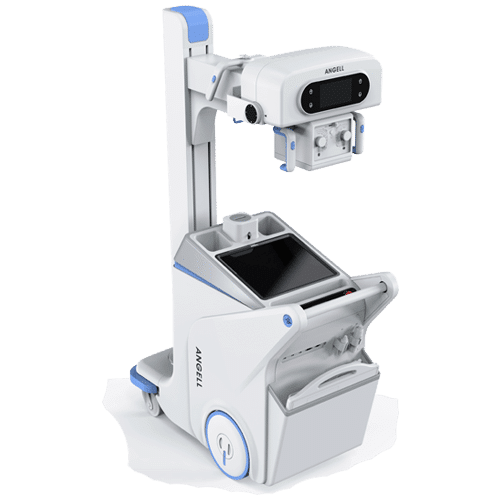
Medical imaging has become an essential part of modern healthcare. From emergency rooms to intensive care units, doctors often need quick and reliable images to make informed decisions. This is where Mobile x-ray technology has become increasingly valuable.
Advances in computed radiography have also made it easier for healthcare providers to manage digital imaging while maintaining efficient workflows. Together, these technologies are helping hospitals adopt practical radiology solutions that fit the needs of different clinical environments.
What Is Mobile Xray Technology?
A Mobile xray system is designed to capture diagnostic images at the patient’s location instead of requiring the patient to visit a fixed imaging room. This can be particularly useful for patients who are critically ill, have limited mobility, or are recovering after surgery.
In emergency departments, intensive care units, and inpatient wards, Mobile xray equipment can save valuable time. Healthcare professionals can perform examinations closer to the patient, reducing the need for transfers and making the imaging process more convenient.
The Role of Computed Radiography
Computed radiography uses imaging plates to capture X-ray information, which is then processed digitally. It offers healthcare facilities a way to move from traditional film-based imaging toward digital workflows without necessarily replacing every existing X-ray system.
Modern computed radiography can support faster image availability, easier image storage, and simpler access to patient examinations. This can help radiology teams organize their workload and share images with other authorized healthcare professionals when needed.
Why Flexible Imaging Matters
Not every patient can easily be moved to a dedicated imaging department. Patients in intensive care, those with serious injuries, and individuals recovering from major procedures may require imaging without leaving their beds.
This is one reason Mobile xray systems are valuable. They provide greater flexibility while helping clinical teams maintain patient comfort and safety. When integrated effectively, they can also contribute to smoother workflows and quicker communication between departments.
Building Efficient Radiology Workflows
Healthcare providers are increasingly looking for radiology solutions that combine image quality, workflow efficiency, and practical usability. Technology is only useful when it works well within the everyday demands of a healthcare environment.
Digital imaging can reduce dependence on physical films and simplify the way examinations are stored and accessed. With the right radiology solutions, imaging departments can create workflows that support radiologists, technicians, nurses, and physicians throughout the diagnostic process.
Supporting Better Patient Care
The value of Mobile xray technology extends beyond convenience. Faster access to diagnostic images can help healthcare teams evaluate conditions sooner and decide on appropriate next steps. For patients who cannot safely travel to an imaging room, bedside imaging can also make examinations less disruptive.
Conclusion
The future of diagnostic imaging will depend on technologies that are reliable, adaptable, and designed around real clinical needs. A combination of Mobile xray, computed radiography, and effective radiology solutions can help healthcare facilities improve accessibility, workflow, and diagnostic support.
With a strong focus on imaging technology, dependable equipment, and solutions designed for healthcare professionals, an established imaging technology provider can help medical facilities build more efficient and patient-focused radiology environments.